Medusa and Sahmaran
My Encounter with the World of the Serpent
In Mexico, within our cosmology, there is the feathered serpent: Quetzalcóatl. For many years, I felt deeply drawn to this being. I visited both Mayan and Aztec temples, hoping to find a connection to a space that would reveal to me a key piece of wisdom. Although I felt peace and vital energy in those places, over time my search began to shift toward the ancestral.
On the other hand, Medusa and her tragic story—so deeply misunderstood—always felt mysterious to me. I didn’t know whether she inspired fear or admiration: monster or victim. There are theories suggesting that her myth may have originated from the abolition of the lunar cults of Carian and Libyan Neith, in which priestesses wore gorgon masks.
She would always come to me through art books, depicted in her most classical form, or through sculptures. Her call was always the same: quiet and silent. I began to grow curious about the meaning of serpents, which in many ancient traditions represent the force of the earth, wisdom itself, though they have also been deeply misinterpreted through narratives such as Adam and Eve.
The serpent has been present in almost every ancient civilization as a force that, to me, revealed something more divine than many other symbols. It wasn’t until I went through very deep sessions with different forms of ancestral medicine that she finally revealed herself to me.
In a lucid dream, a serpent slid across the floor until it brought its head close to mine. In a state of shock and paralysis, I could not move—only look directly into its eyes—until I woke up, or so I believed. It was enormous: an anaconda from a jungle I did not know, yet it was there with me, inside my living room.
The second encounter happened during a session where I could not see her, but I was told that a massive serpent was resting calmly beneath my feet, asleep in complete stillness. There I understood she was indeed from the Amazon: the anaconda, my protector in this world and the other.
Then everything began to make sense.
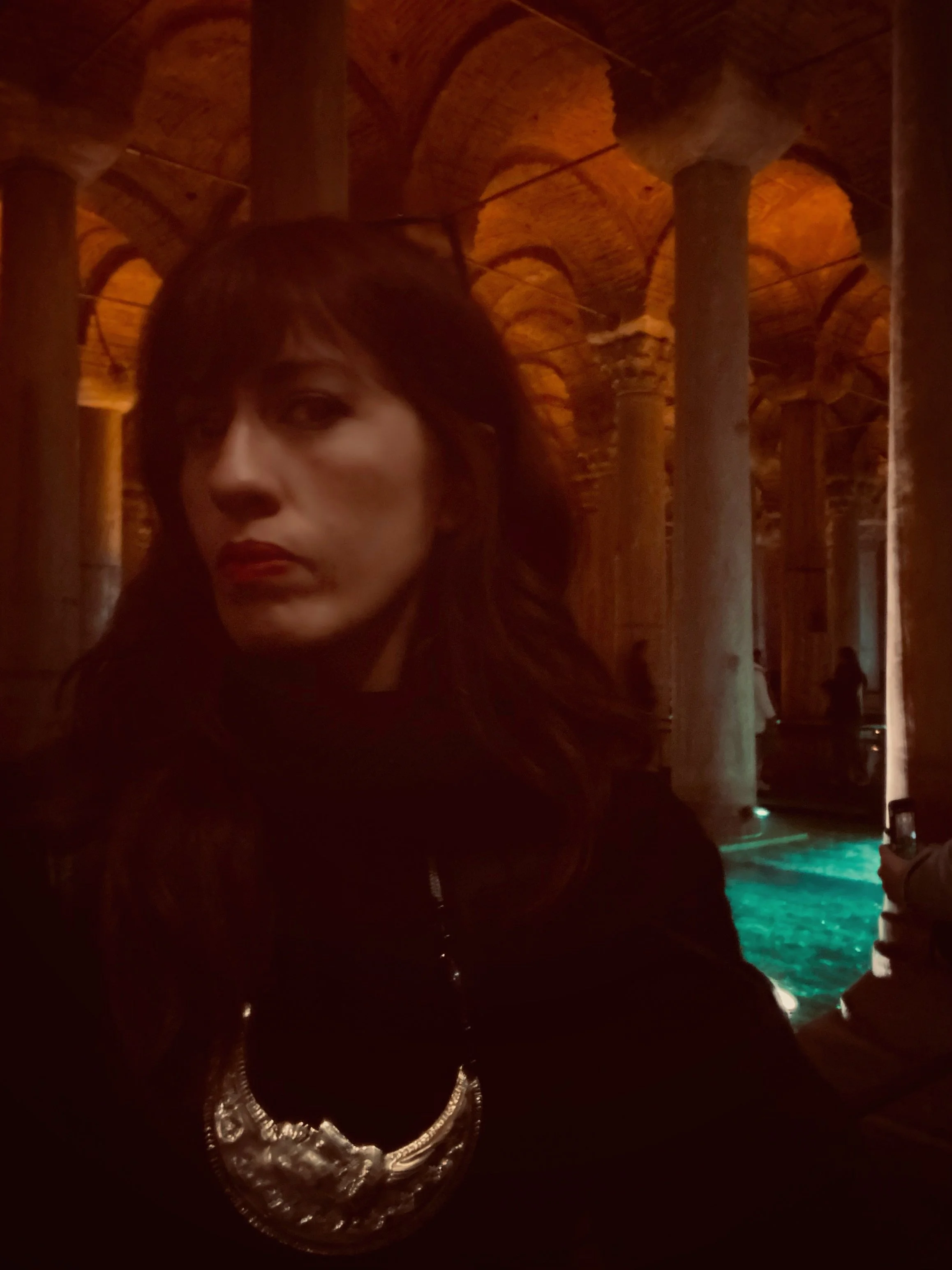
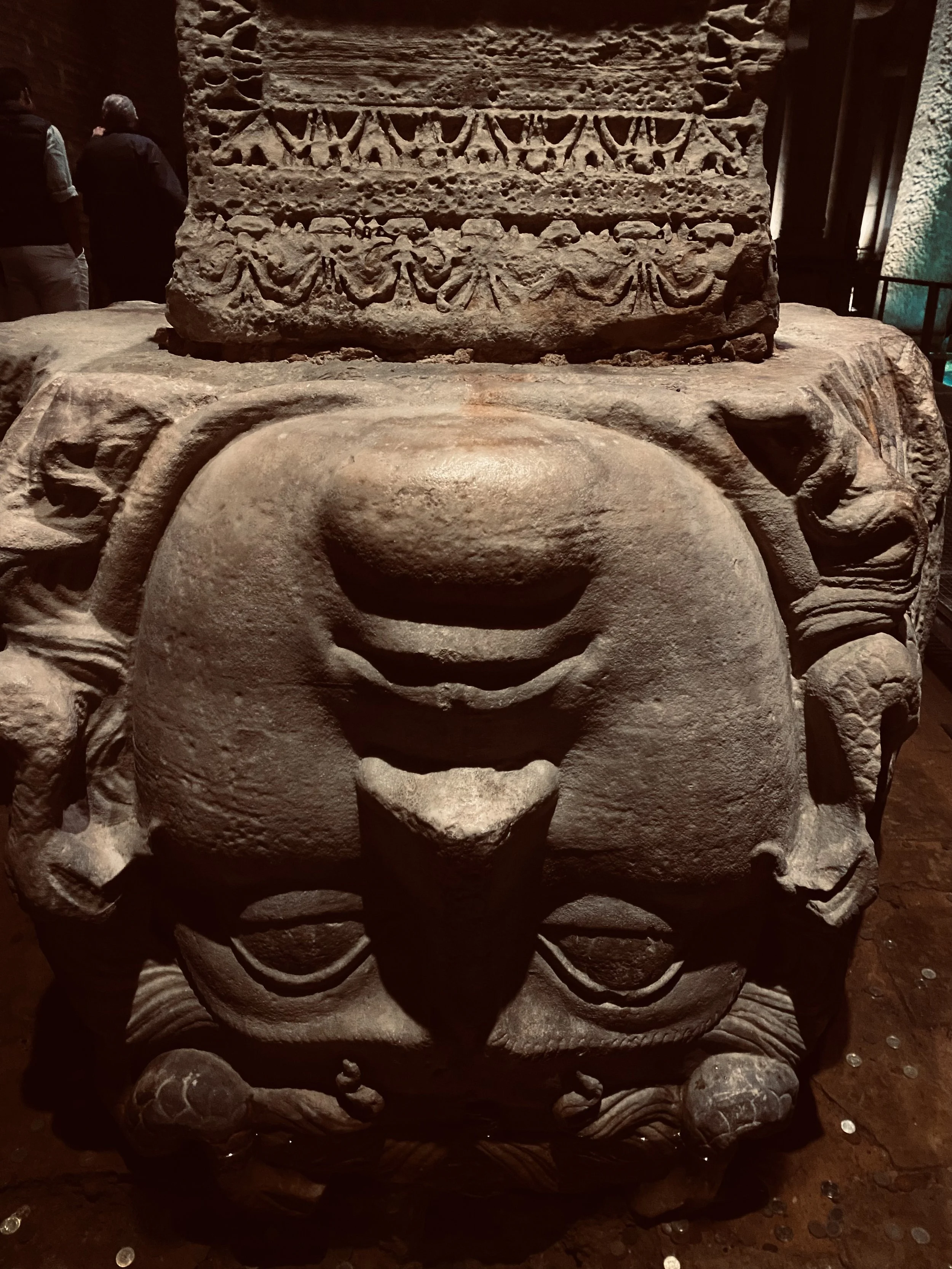
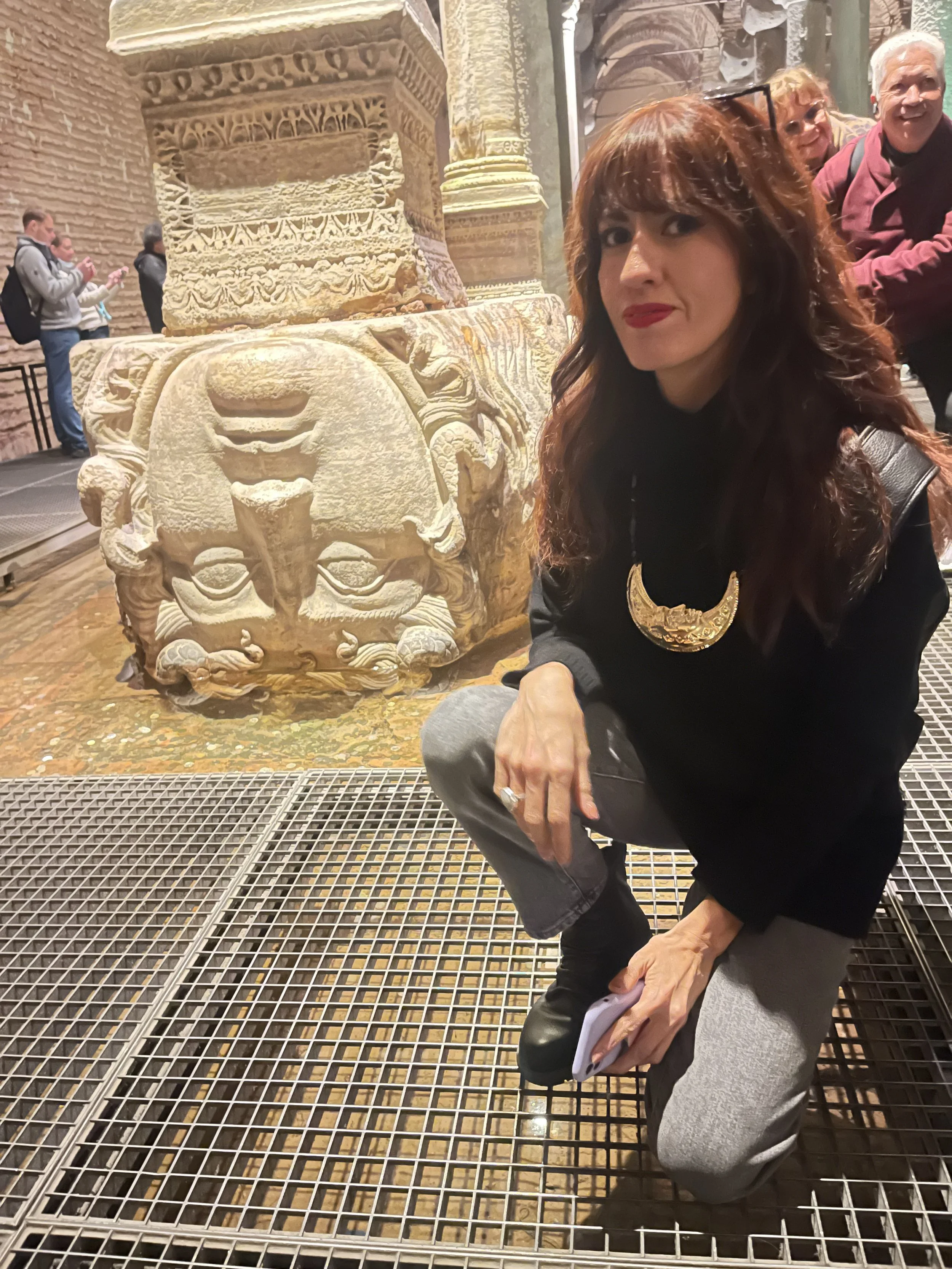
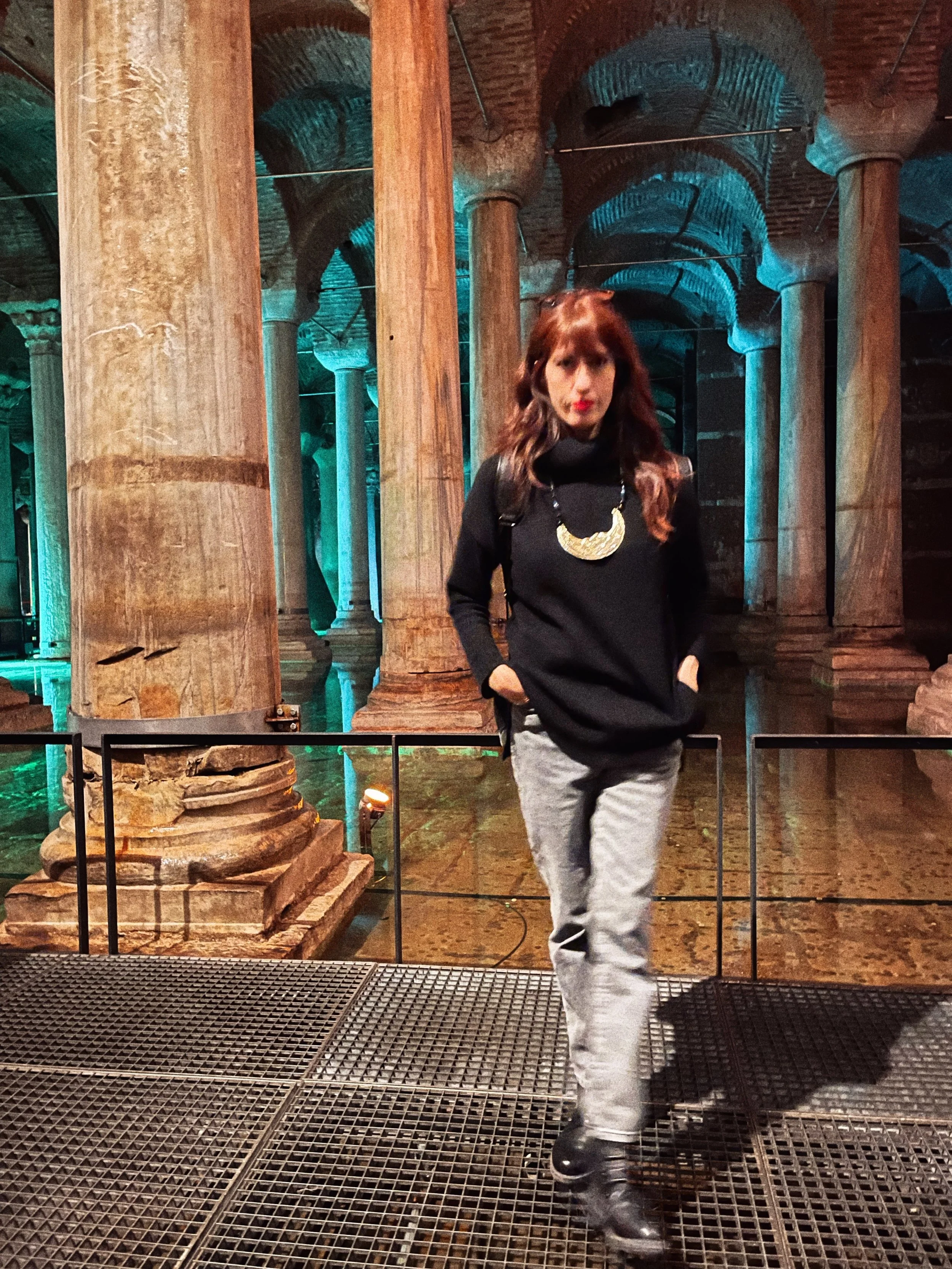
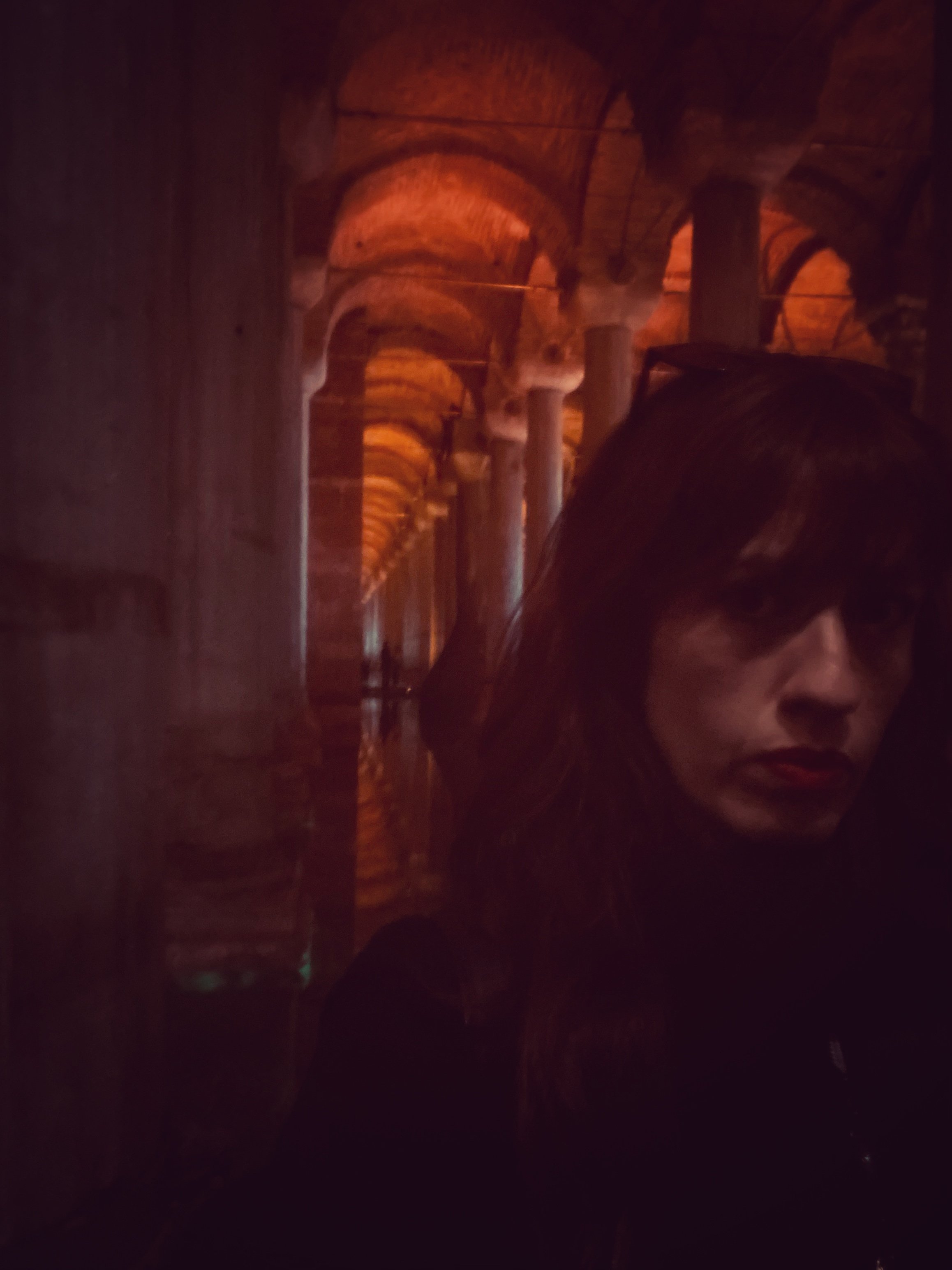
In another continent, the inverted head of Medusa inside a cistern called me. I had always deeply desired to visit her. It is said that this head belongs to the Roman or Greek era. One theory suggests it was taken from an ancient temple and placed there as a symbol of Christianity. This is the interpretation that resonates most with me, as similar heads can be found in other archaeological sites.
But what fascinates me most is its position: at the end of a corridor of columns, upside down. Is she punished, defeated, or worshipped? What a profound mystery… and what a privilege to stand before her, to feel the humidity and coldness of the space as if we were sisters.
But if this were not enough, this was not the only encounter.
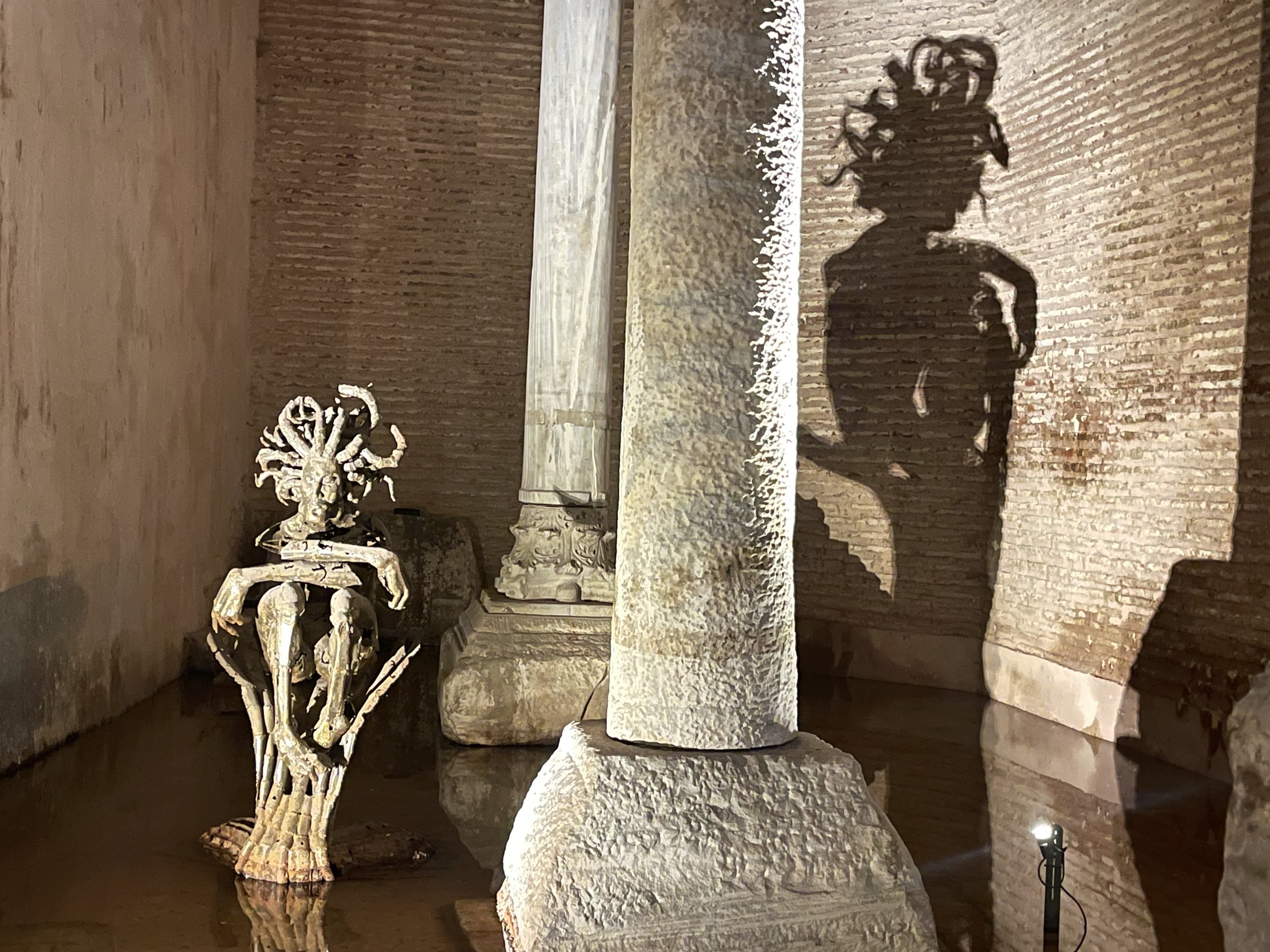
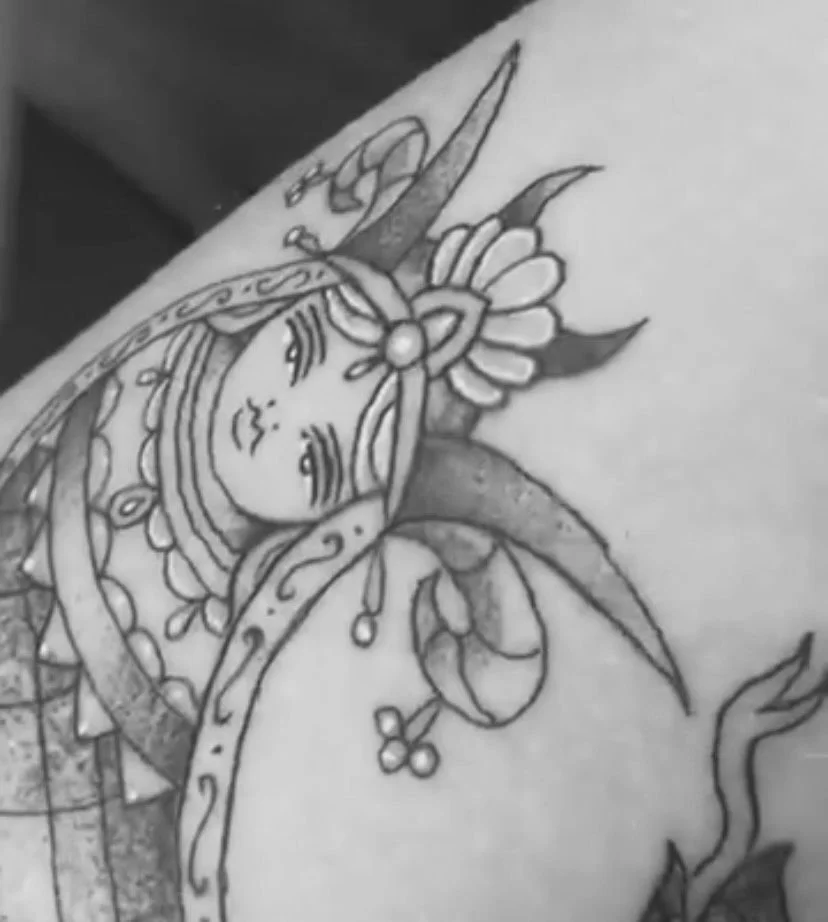
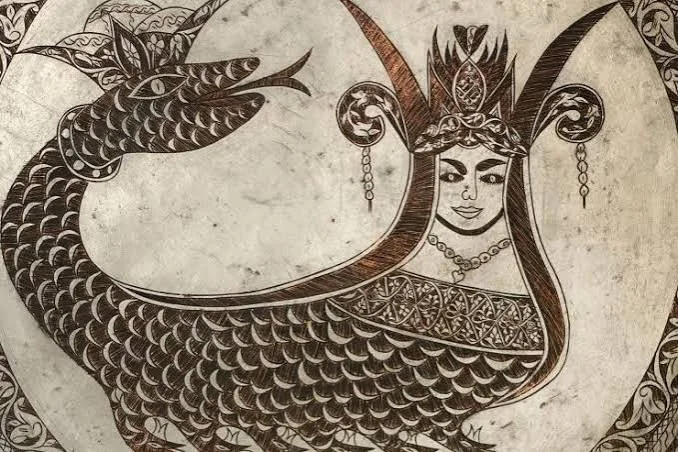
While in Turkey, another magical appearance took place: the mythological figure of Şahmaran. Şahmaran is a central figure in Kurdish and Middle Eastern folklore, especially in Turkey, Iran, and Iraq. She is depicted as a wise creature with a woman’s head and a serpent’s body, considered the “Queen of Serpents” and a symbol of wisdom, love, and protection of nature.
This figure has the body of a serpent with multiple heads emerging from her form, a crown, and a presence that feels both sacred and unsettling, like a variation of the Medusa myth, perhaps from the same origin translated into a different cultural language. But here, she is alive.
Şahmaran belongs to an ancient Anatolian–Mesopotamian linaje, a living symbol of dual frequencies within the same cosmic knowledge—one rooted in healing, DNA transformation, and the deep, primordial energy of the Earth.
In the legend, a young man named Camasb falls into a well while gathering firewood, or in some tellings, is abandoned by his companions. In the darkness below, he discovers a hidden world—an underground garden, luminous and alive—the kingdom of serpents.
There, he encounters Şahmaran, the queen: half woman, half snake. A being of wisdom, she reveals to him the secrets of the universe and the healing power of plants, offering knowledge that flows between worlds—between body and spirit, earth and cosmos.
When Camasb eventually returns to the surface, he carries with him a sacred pact. He must never enter the waters of a hammam, for water would reveal the scales now hidden within him. And above all, he must never speak of Şahmaran.
Both are symbols of wisdom that inhabit the subterranean realm—the hidden, the inner.
For me, they invite us to connect with our feminine wisdom, with the sacred, with medicine and ritual… and to never surrender this power to the outside world, no matter what form it takes.